From Curiosity to Classrooms
How Games for Ed Came to Be
Games for Ed did not start with a business plan or a product roadmap. It started with a classroom moment most educators recognize.
Bright students. Capable teachers. And yet, learning felt heavy.
We kept seeing the same pattern across schools. Students could repeat answers, but struggled to explain ideas. They memorized, but forgot. Curiosity slowly faded, even in spaces meant to nurture it.
But when students played games, something changed. They discussed and debated. They negotiated. They tried again after failing. They remembered concepts weeks later. They took ownership of their learning.
"Play is not the opposite of learning. Play is how learning becomes real."
What We Believe About Learning
We believe learning works best when students are active participants, not quiet receivers. When students step into a game, learning stops being abstract—it becomes lived experience.
Make Choices
Students aren't just following instructions; they are deciding the path forward.
Face Consequences
Every decision has an outcome, teaching responsibility and cause-and-effect.
Collaborate
They must work together, negotiate, and communicate to succeed.
Fail Safely
Failure isn't the end. It's simply data for the next attempt.
Explore Possibilities
Games create space to try different paths, revise approaches, and learn through iteration.
Think Creatively
Students use imagination within clear boundaries, exploring ideas and possibilities while working toward shared goals.
Why Games, Not Just Activities
We don’t use games as a reward or a break. We use them as the core learning structure.
Whether it’s financial literacy, climate action, entrepreneurship, or social-emotional learning, our games are built so students learn by doing, not by being told.
We design for classrooms as they are, not as ideal versions we wish existed. Limited time. Mixed abilities. Real constraints.
A Well-Designed Game:
Our Roots
Our work is shaped by experiences and research from spaces like:
But more importantly, it’s shaped by sitting in classrooms, running pilots, watching students misunderstand rules, and redesigning again.
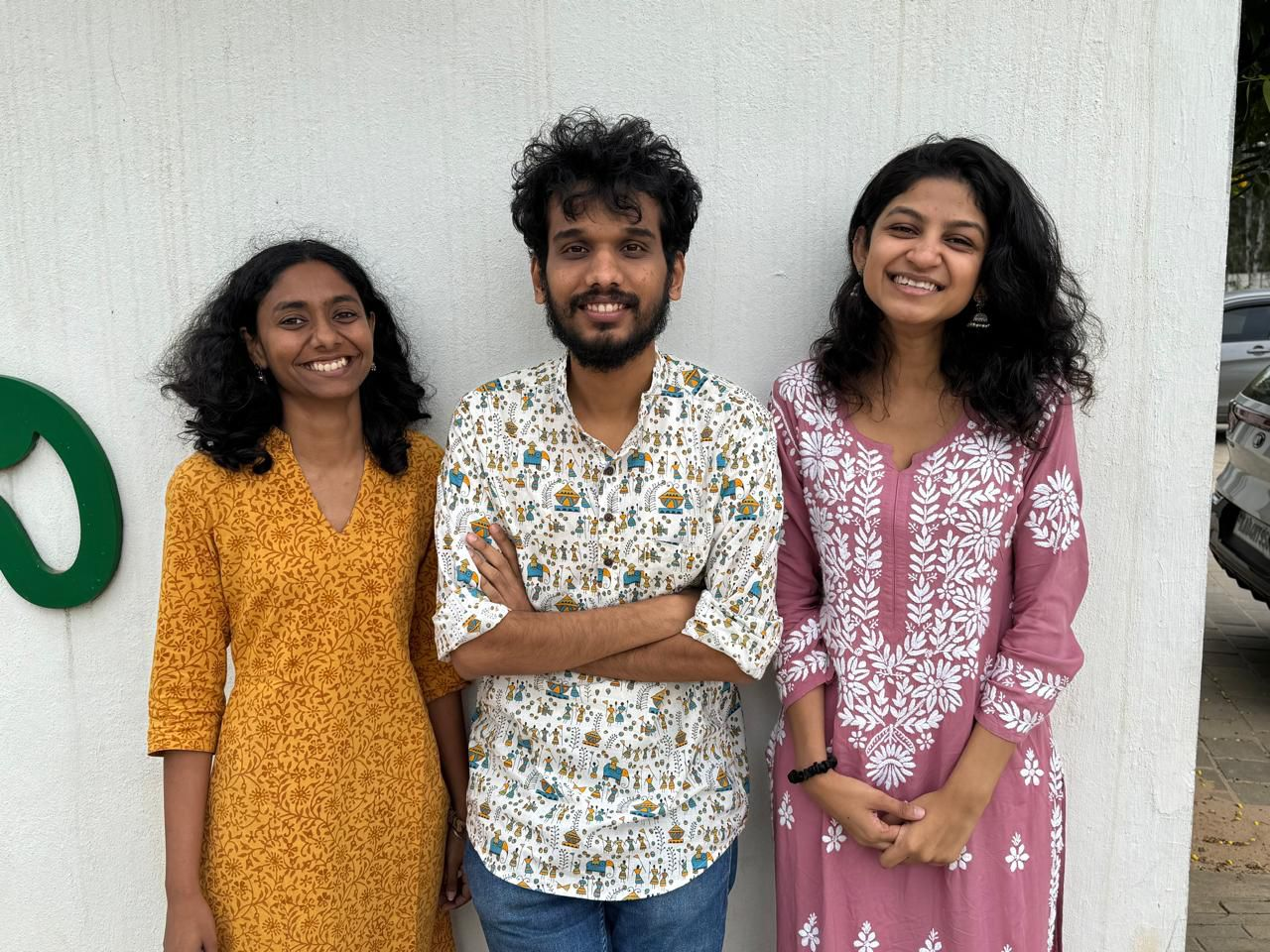
Who We Are
We are educators, designers, facilitators, and curious humans who believe learning should feel alive.
Each of us comes from a slightly different background, but we share a common instinct: boredom is rarely the student’s fault, its a signal to rethink how learning is designed.
What Makes Games for Ed Different
We don’t design games that sit on shelves.
Our Games Are:
- Built for real classrooms
- Easy for teachers to facilitate
- Grounded in learning goals
- Flexible across ages and contexts
We Design Experiences:
- No one “wins” alone
- Collaboration matters
- Systems reveal themselves over time
- Reflection is as important as action
Where We’re Headed
We are building a library of game-based learning experiences designed for real classrooms and real learners.
Our long-term vision is to help schools move beyond content delivery toward experience-driven learning, where play, choice, and reflection shape understanding.
We want students to leave classrooms not just knowing facts, but understanding ideas — making connections, asking thoughtful questions, and carrying curiosity with them.